
Mountain villages scattered across the European Union are redefining the summer travel calendar, offering a refined alternative to overcrowded coasts and heat that has, in recent seasons, become genuinely difficult to enjoy.
Why altitude changes everything in July
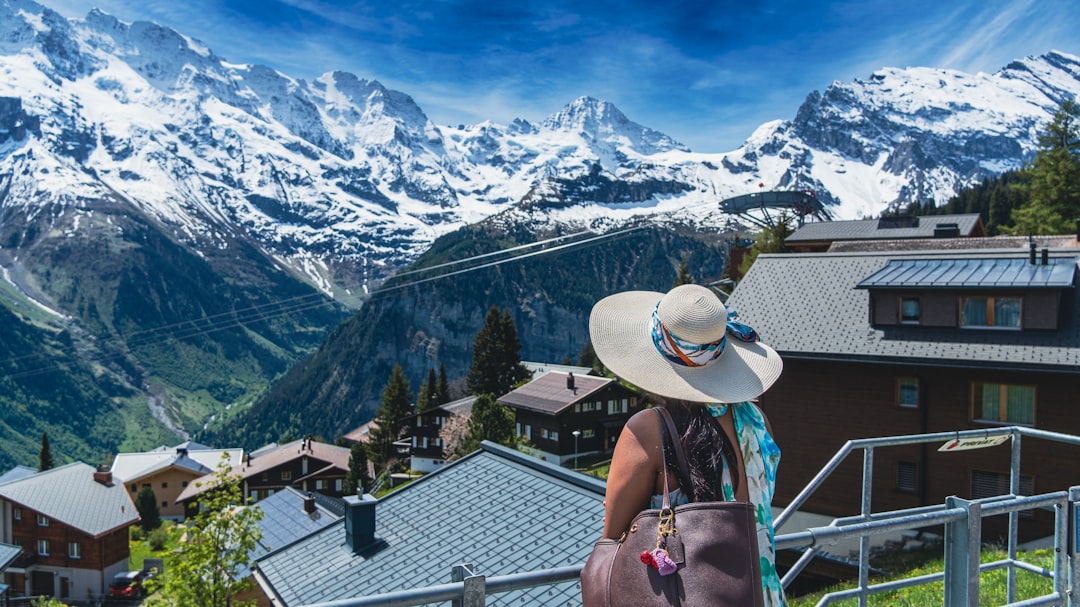
For every 1,000 metres you climb, the temperature drops by roughly 6.5°C. In practical terms, this means a village sitting at 1,500 metres can feel like a different season compared to a beach resort on the same afternoon. Typical summer temperatures range from 15 to 25°C in the valleys and from 5 to 15°C at higher altitudes. The European Alps are a great option for fresh mountain air and cooler weather. Even when it is hot in the lowlands, alpine villages offer comfortable conditions and beautiful views.

A notable coolcation travel trend is transforming the continent in 2026, with tourists increasingly seeking authentic summer escapes, cooler climates, richer cultural experiences, and sustainable holidays. For the discerning traveller, this shift is not simply about temperature. It is about choosing places where stone architecture, local gastronomy, and mountain light create something the coast rarely can: genuine stillness.
Cortina d’Ampezzo, Italy
Few EU mountain villages carry the elegance of Cortina d’Ampezzo. Set in the Dolomites of northeastern Italy, this village pairs world-class scenery with a fashion-forward sensibility that feels entirely at home in July. While cities like Milan and Rome can reach 38°C, the Dolomites sit at a pleasant 18 to 22°C at 2,000 metres altitude.
Cortina d’Ampezzo is a fashionable resort town located in the Veneto region that attracts walkers, climbers, and cyclists, with services reopening between June and September to meet their needs. The main corso fills with artisan boutiques and terrace restaurants that serve cured meats and local wines. Arrive in the early morning, when the Tre Cime di Lavaredo peaks catch the first light, and you will understand why this village has inspired artists and writers for generations.
Serfaus, Austria
Serfaus is a pretty village in the Tyrol region of Austria, perched at around 1,430 metres above sea level. It sits above the Inn Valley on a natural plateau and rewards visitors with panoramic views that stretch across several mountain ranges. The village is car-free at its centre, which preserves a quality of silence that most European destinations have long lost.

Austria is successfully repositioning itself as a leading summer destination where hiking, mountain villages, and wellness resorts attract visitors searching for cooler environments and active holidays. In Serfaus, that promise is tangible. Local farms supply the village restaurants directly, and the hiking trails that begin at the edge of the village connect to high meadows full of wildflowers in July. The heritage of the region, from painted Tyrolean farmhouses to weekly markets, gives the experience a cultural weight that pure nature alone cannot provide.
Megève, France
In the Haute-Savoie department of southeastern France, Megève is a village that has understood refinement since the early 20th century. Its stone-paved centre, medieval church, and careful preservation of local architecture make it one of the most beautiful mountain villages in the EU. Four Seasons Resort Megève benefits from mild alpine temperatures, and guests enjoy priority access to Golf du Mont d’Arbois, while other activities include hiking, overnight treks, canyoning, and mountain biking.
The village sits at 1,113 metres, and the surrounding massif holds trails for every level of hiker. Local producers sell raw-milk cheese and charcuterie at the weekly market, and the restaurants draw on a cooking tradition that blends Savoyard heritage with contemporary French technique. Megève in July is quieter than in winter, which makes it easier to appreciate the architecture and the pace of mountain life.
Ortisei, Italy (Val Gardena)
Ortisei occupies the heart of Val Gardena in South Tyrol, a valley where Italian and Tyrolean cultures have been layered over centuries. The village is officially trilingual: residents speak Italian, German, and Ladin, an ancient Rhaeto-Romance language that survives here as a living heritage. This cultural depth gives Ortisei a distinct identity that sets it apart from purely scenic destinations.
In the Dolomites, a UNESCO World Heritage site, visitors enjoy a thin and cool climate at high altitudes with temperatures around 19°C. In Ortisei, that freshness is accompanied by a strong tradition of wood carving: local artisans produce sculptures and furniture that can be found in collections across Europe. The village also serves as a gateway to the Alpe di Siusi, the largest high-altitude meadow in the Alps, which turns a vivid green in summer.
Expert perspective on mountain village travel
The shift toward high-altitude EU destinations in summer is not a passing fashion. Travellers today are making deliberate choices based on climate comfort, cultural authenticity, and the desire for a slower pace. Mountain villages offer something that coastal resorts structurally cannot: a sense of place that has been shaped by altitude, agriculture, and centuries of local identity. The heritage embedded in these communities, from vernacular architecture to seasonal food traditions, gives visitors a richer experience than a beach can provide. We expect this preference to deepen as awareness of both climate conditions and sustainable travel continues to grow across European markets.
Industry perspective, sustainable tourism and travel experience professionals in Europe





Valldemossa, Spain (Mallorca)
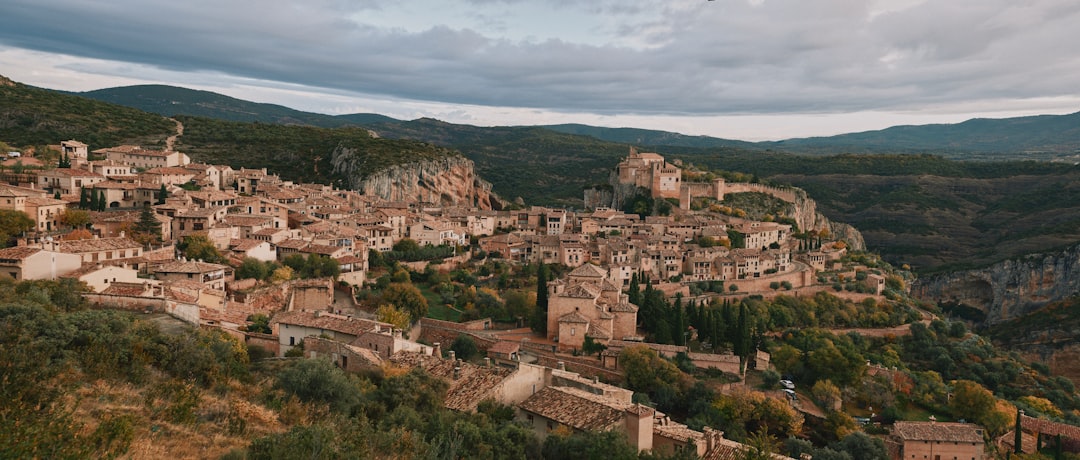
Valldemossa is a charming village in the Serra de Tramuntana mountains of Mallorca. It sits at around 400 metres, which is modest compared to the Alps, but the location in the mountain interior keeps temperatures several degrees below the island’s coastal resorts. The village is built from local limestone, and its narrow streets and monastery gardens carry a contemplative quality that contrasts sharply with the busy beaches below.
The Real Cartuja monastery, where composer Frédéric Chopin and writer George Sand spent the winter of 1838 to 1839, remains the cultural anchor of the village. The surrounding Serra de Tramuntana is a UNESCO World Heritage landscape, and the hiking routes that begin here offer views across terraced olive groves toward the sea. Valldemossa proves that mountain villages do not require alpine altitude to offer genuine elevation above the ordinary.
Liptovský Mikuláš, Slovakia (Low Tatras)
Slovakia’s Low Tatras region is one of the EU’s most underappreciated summer destinations. The Low Tatras are a mountainous region in northern Slovakia, with beautiful towns built at the foot of the mountains, perfect for relaxing stays with many hiking days. Liptovský Mikuláš serves as the base village for exploring this landscape. Due to their higher altitude and mountainous terrain, the Tatras experience cooler temperatures in summer compared to the surrounding lowlands, offering real relief from the summer heat.
The village sits beside the Liptovská Mara reservoir, and the surrounding national park holds some of the finest trail networks in Central Europe. The region is also rich in hot springs, with waterparks and wellness centres that offer healing waters. For the traveller who values discovery over reputation, Liptovský Mikuláš represents exactly the kind of authentic, unhurried experience that EU mountain villages do best.
Mountain villages: the refined choice for July
Mountain villages across the EU are not a compromise. They are the more considered option for travellers who understand that comfort, culture, and natural beauty belong together. The coolcation is a highly relevant travel trend for this period, following record-breaking temperatures across Southern Europe in recent seasons, as travellers seek to escape the summer heat by looking north and upwards. From the Dolomites to the Tatras, each of the mountain villages in this list offers a distinct identity, a cooler July, and experiences that stay with you far longer than a sunburn.
Plan your route through the EU’s mountain villages this season. You will return in September with a deeper understanding of European heritage and a genuine desire to go higher.
Discover more about mountain villages
- European Travel Commission: Sustainable Mountain Destinations
- Eurostat: Record EU Tourism in 2025
- Travel and Tour World: Europe’s Coolcation Travel Boom, July 2026