

Your carbon footprint does not have to grow with every summer trip. Europeans take hundreds of millions of journeys each year, and the transport, accommodation, and food choices made on those trips account for the bulk of holiday emissions. The good news is that Europe’s infrastructure, policy framework, and green economy give you better options than almost anywhere else in the world.
Choose rail first, and the numbers speak for themselves
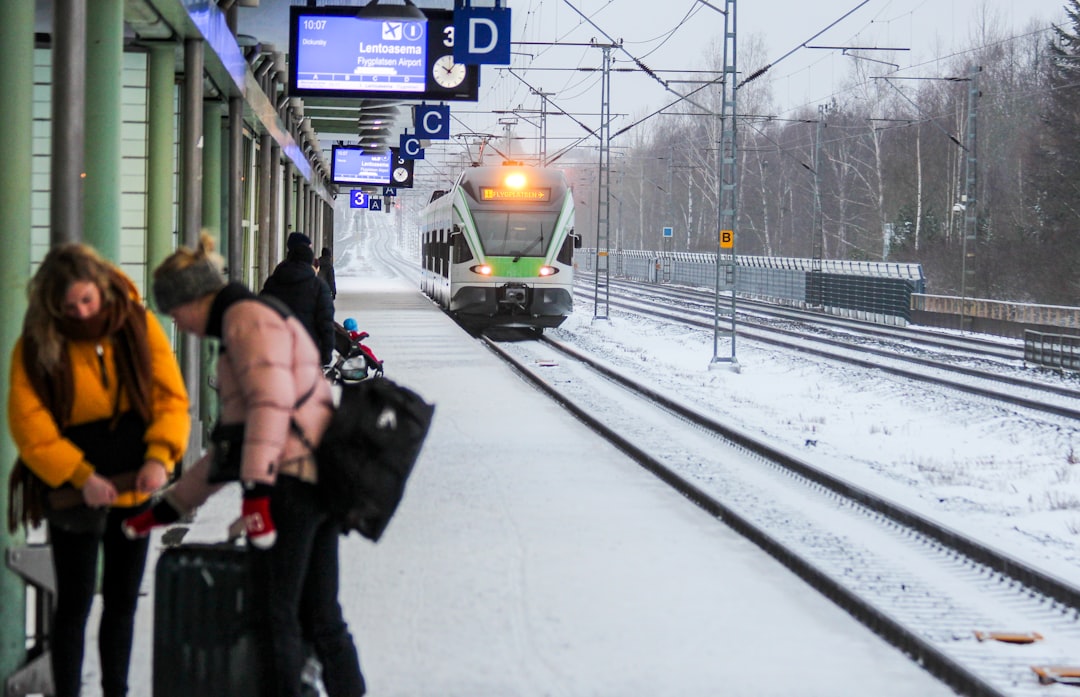
Transport is the largest source of emissions in any holiday. Transport is the largest proportion of emissions of any holiday. The single most effective step you can take is to replace a short-haul flight with a train. Flights emit, on average, about 5 times more CO2 per passenger kilometre than trains. On some routes the difference is even larger. Taking the Eurostar emits around 4 grams of CO2 per passenger kilometre, compared to 154 grams from a short-haul flight.

Night trains are a strong option for longer routes. Sleeper trains travel at lower speeds using much less energy than a powerful high-speed train, and they still make a significant saving on CO2 emissions compared to flying. If you must drive, fill the car. An electric vehicle is your best mode of private transport. It emits less than a petrol or diesel car, even in countries with a fairly high-carbon electricity mix.
The EU’s own mobility strategy recognises this direction. The European Commission’s Sustainable and Smart Mobility Strategy calls for decisive action to shift more activity towards more sustainable transport modes, and identifies a doubling of high-speed rail traffic in Europe by 2030 as a milestone. Booking early on rail keeps costs lower, and tools like EcoPassenger let you compare emissions across transport modes before you commit.
Book accommodation that carries the EU Ecolabel
Where you sleep matters more than many travellers realise. Researchers forecast that the hotel industry needs to cut carbon emissions by 66% by 2030 and 90% by 2050 to meet its international climate commitments. You can support this by choosing properties that already operate sustainably.
The easiest filter in Europe is the EU Ecolabel. The EU Ecolabel is the official EU voluntary certification for environmental excellence, awarded to the best-in-class hotels and campsites that meet high environmental standards. The EU Ecolabel guarantees that certified accommodation has optimised environmental and waste management, and reduced energy consumption, water consumption, transport emissions, and food waste. You can search the EU Ecolabel Tourist Accommodation Catalogue online before you book.

Different types of accommodation have different approaches to sustainability, so check the eco-credentials of hotels or campsites before you book. You can also check whether they have been awarded an EU Ecolabel as a guarantee of their commitment to sustainability. Staying at 1 property for your entire trip also helps. Staying in 1 place cuts down CO2 transportation emissions, as there are no transfers from hotel to hotel.
Eat and spend locally to lower your emissions further
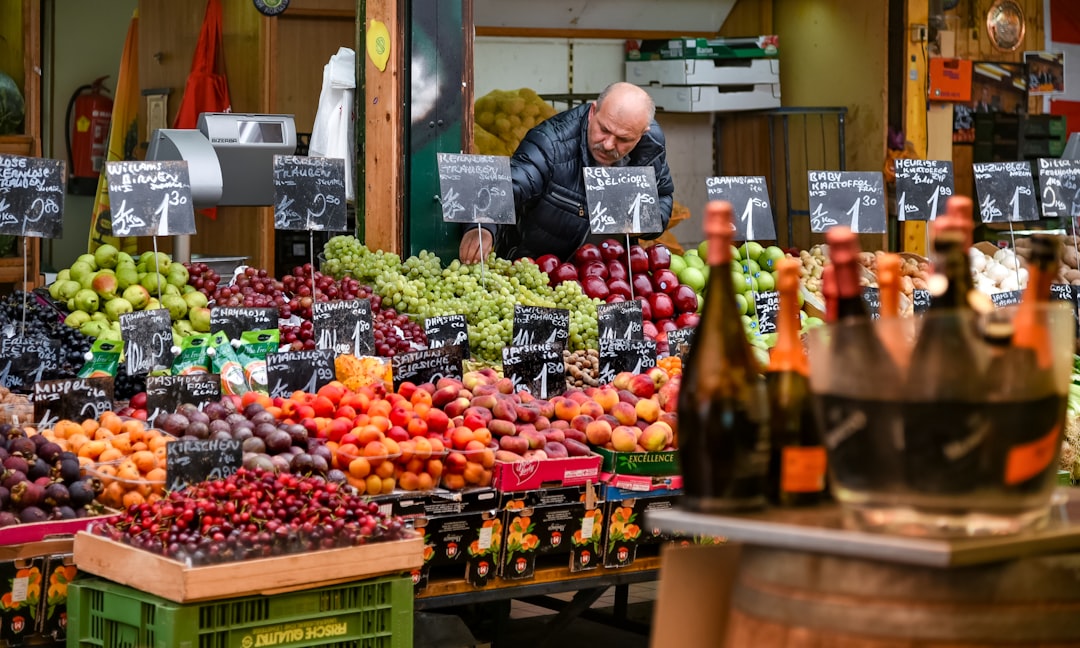
Food and spending patterns generate more emissions than most people expect. Choosing local food directly reduces the transport chain behind your plate. Dining at restaurants that use locally sourced ingredients not only reduces emissions from food transportation, but also gives you authentic traditional dishes. Local food is also typically fresher and supports the regional economy.
Supporting local communities is another way to travel responsibly. During your stay, shop at small stores, markets, and local artisans, prioritising sustainable products. At your destination, choose to walk or cycle for short distances. Once you arrive, walk and cycle whenever possible, especially for short journeys. If you cannot bring your own bike, look into hiring one at your location. Europe has 17 long-distance EuroVelo cycling routes that connect countries and pass through some of the continent’s most scenic areas.

Expert perspective on sustainable travel in Europe
Travellers often focus only on the carbon cost of flying versus not flying. That is important, but it is only 1 part of the equation. Once you are at your destination, your accommodation choice, your food, your local transport, and even how long you stay all contribute to your total holiday footprint. A longer stay in 1 place with low-carbon accommodation and local food can actually produce a lower total footprint than a short city-hop by train. The EU’s Ecolabel system and open mobility data platforms now make it genuinely easy for travellers to verify their choices before they arrive. The infrastructure is there. The challenge is awareness, and that is changing rapidly.
Industry perspective, sustainable tourism and travel professionals in Europe
Plan around Europe’s green destinations
Europe’s cities and regions compete actively on sustainability metrics, and travellers can use this to their advantage. Vilnius is the 2025 European Green Capital. The European Green Capital Award has been given to 17 cities across Europe in recognition of their sustainability efforts, and Vilnius has made major progress in improving air quality through sustainable transport and expanding its cycle network.






The Canary Islands have focused on diversifying their tourism activities to reduce dependency on mass tourism. They have promoted nature-based experiences like hiking through volcanic landscapes, stargazing, and wildlife tours, attracting travellers interested in sustainable, low-impact tourism. These are practical signals: destinations that invest in sustainability tend to offer better public transport, cleaner air, and more local food options for visitors.
Open data helps change how you plan and experience travel. Platforms such as data.europa.eu and the Copernicus Climate Service enable access to local and global mobility datasets, offering real-time insights into air quality, public transport routes, and green tourism initiatives. Use these tools when planning your route and your stops.
Conclusion: your carbon footprint is a choice you make before you leave home
Most of the decisions that determine your carbon footprint happen at the booking stage, not at the airport. Choose rail where routes allow it. Select EU Ecolabel accommodation. Eat locally. Stay longer in 1 place. Each of these actions is practical, available right now, and aligned with Europe’s green economy agenda. A summer holiday does not have to cost the climate. Reducing your carbon footprint is not a sacrifice. It is simply a better way to plan. Start with your next booking and build from there.
Discover more about carbon footprint
- EU Ecolabel for Tourist Accommodation (European Commission)
- Rail and Waterborne: Best for Low-Carbon Motorised Transport (European Environment Agency)
- Green Getaways: How Open Data Is Powering Sustainable Summer Travel (data.europa.eu, 2025)
[End of deliverables]