

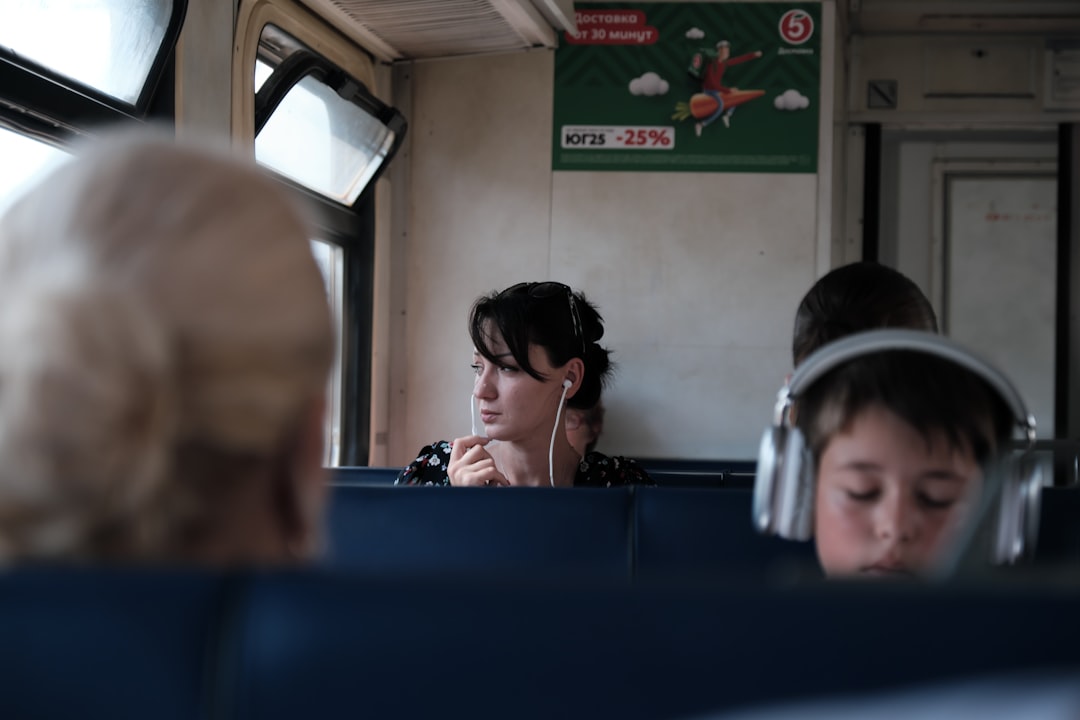
Overnight trains are quietly redefining what summer travel can feel like across Europe, offering something flights simply cannot: the continent itself, unfolding through your window as evening falls.
Why the overnight train revival matters now
After a decline in the 2010s, sleeper trains in Europe have returned as a convenient, climate-friendly way to travel between major cities. This is not nostalgia. It is a considered response to a world that has grown weary of airports, security queues, and the particular bleakness of a 5 a.m. departure terminal.

Travelers are choosing overnight rail journeys as a practical and enjoyable way to move across countries, reflecting a growing preference for slow travel, comfort, and sustainability. For those who believe that how you travel shapes what you see, this shift carries real meaning. The journey becomes part of the destination.
With the European Union’s strong focus on climate change and its Green Deal, overnight trains have become a crucial element in achieving the EU’s sustainable mobility goals. Choosing rail is therefore not only an aesthetic decision. It is a political and cultural one.
The network you can use today
European Sleeper now links Europe overnight on 3 routes: Paris to Berlin, Brussels to Prague, and Brussels to Milan. These are serious connections, designed for travelers who want to wake up in a different country with their energy intact.
ÖBB, the Austrian federal railway, operates the most comprehensive night train network in Europe under the Nightjet brand, with key routes including Vienna to Rome, Vienna to Brussels, Vienna to Amsterdam, and Vienna to Barcelona. The ÖBB Nightjet travels to major cities in Austria, Germany, Italy, Belgium, the Netherlands, France, and Switzerland. That is an entire summer itinerary, already connected.

By 2026, more than 60 night train routes operate across the continent, roughly double the number available in 2020. The network is not perfect, but it is real, expanding, and ready to use.
Building your slow-travel summer routine
A slow-travel routine is not a loose schedule. It is a deliberate structure, one where each overnight journey replaces both a flight and a hotel night, and where the pace of arrival shapes the quality of your stay.
Overnight trains offer a sustainable, time-saving, and cost-effective alternative to short-haul flights, often combining travel and accommodation costs. Begin your planning by choosing 3 or 4 cities as anchors, places where you will spend 4 to 6 days each. Connect them with sleeper services. The train becomes your transition ritual, not a disruption.
Sustainable train travel creates deeper connections with places and people. As you cross borders by rail, you notice gradual changes in language, architecture, and culture, which helps you understand how regions connect and influence each other. This is the slow-travel promise: not more places, but more presence in each one.





An industry perspective on the overnight train renaissance
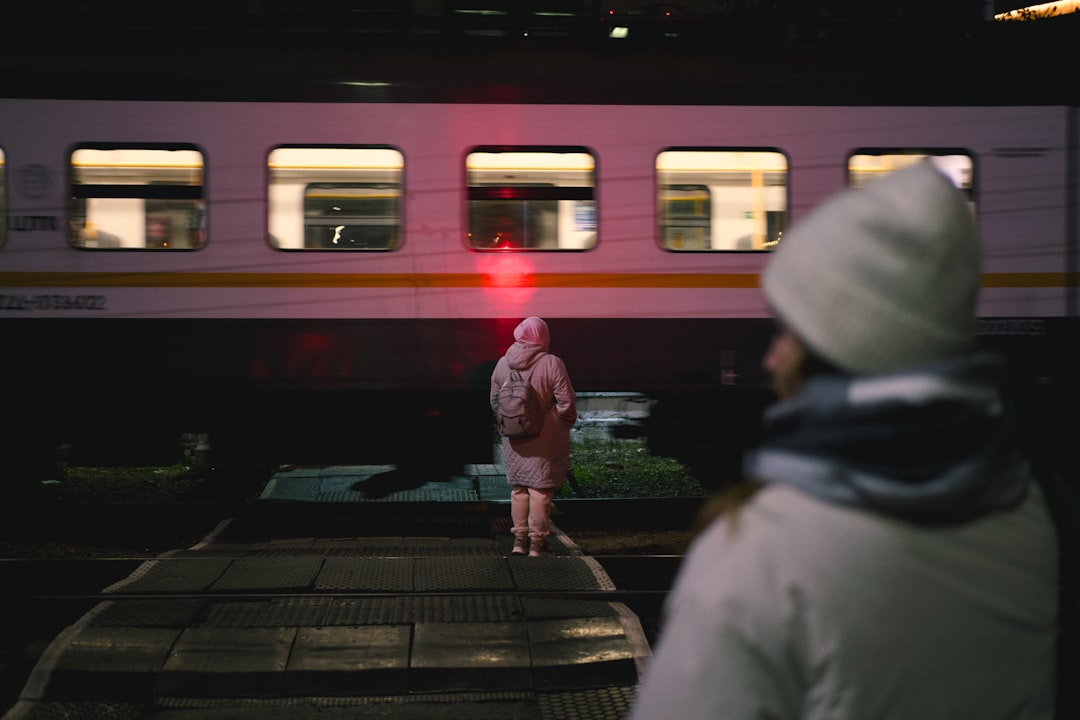
The overnight train revival is not a passing trend. It reflects a fundamental shift in how educated, conscious travelers understand the value of their time. When passengers choose a sleeper over a flight, they are not sacrificing speed. They are reclaiming the journey as an experience in itself. The environmental case is clear, with rail producing far lower emissions per passenger than aviation. But the cultural case is equally compelling. The sleeper train is a European institution, and its return is an affirmation of a distinctly European way of seeing the world. Operators who invest in comfort, design, and onboard hospitality will find a loyal, growing market for years to come.
Industry perspective, sustainable travel and rail mobility professionals across the EU
Comfort, cabins, and what to bring
Modern sleeper trains are no longer a nostalgic option. They have become well-equipped transport systems offering privacy, comfort, and convenience. The choice of accommodation matters. A seat suits a short crossing; a couchette works for most 8 to 12 hour journeys; a private sleeper cabin is the right choice for longer routes or for those who treat the train as the first act of a refined trip.
On Nightjet, bedding is provided in couchettes. Sleeper compartments offer full bedding, towels, and a welcome pack. Pack a small personal bag with what you need for the night: a silk eye mask, a good book, and a change of clothes for arrival. Leave the large suitcase for checked luggage at the station locker.
Book 90 to 120 days ahead for the best fares. Most routes open reservations at 6 months. Booking directly with operators like ÖBB’s Nightjet or European Sleeper usually provides the best prices, full inventory access, and specific cabin selection options.
Conclusion: overnight trains as a way of life
Overnight trains are not simply a transport choice. They are a statement about the kind of traveler you want to be. For a summer in Europe, they offer a framework that is elegant, intentional, and genuinely sustainable. Slow travel, where the journey itself is part of the experience, has gained real momentum. Overnight trains are its most refined expression on this continent.
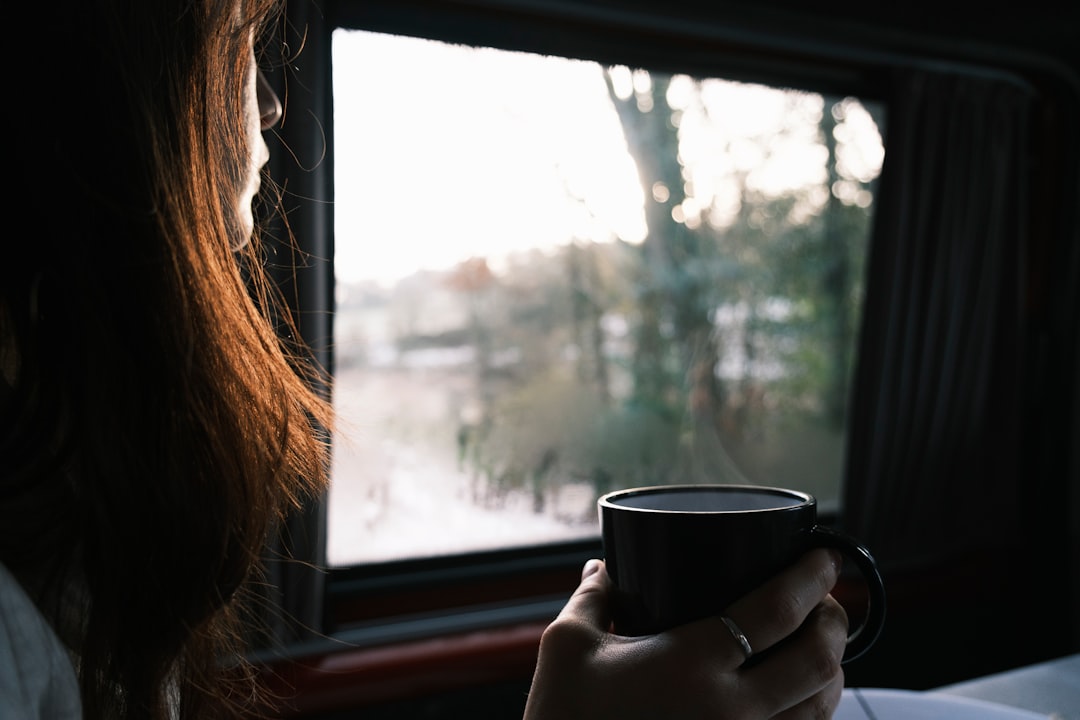
Build your routine around 3 or 4 sleeper connections this summer. Let each arrival feel like a gift, a new city through a morning window, coffee already waiting at the station. That is what overnight trains, used well, can give you: not just a destination, but a way of inhabiting Europe.
Discover more about overnight trains
- European Commission: Rail Transport and Sustainable Mobility
- Interrail: European Night Trains Guide
- An Assessment of Overnight Trains and Transport Decarbonisation in Europe (ScienceDirect, 2025)